The Brilliance of Gustave Fayet: The Fondation Louis Vuitton Reveals a Forgotten Collector

In line with its prestigious exhibitions in the “Icons of Modern Art” series dedicated to the collections of Sergei Shchukin, the Morozov brothers, and Samuel Courtauld, the Fondation Louis Vuitton is highlighting an essential but unjustly forgotten figure of modernity: Gustave Fayet.
A Pioneer of the Avant-Garde
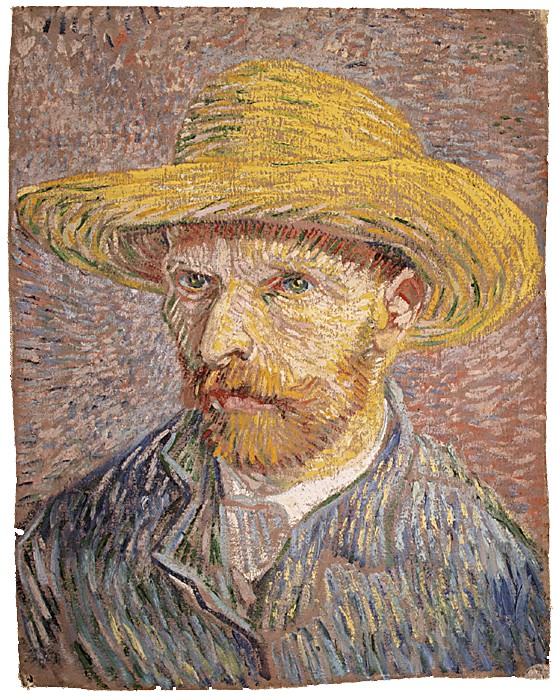
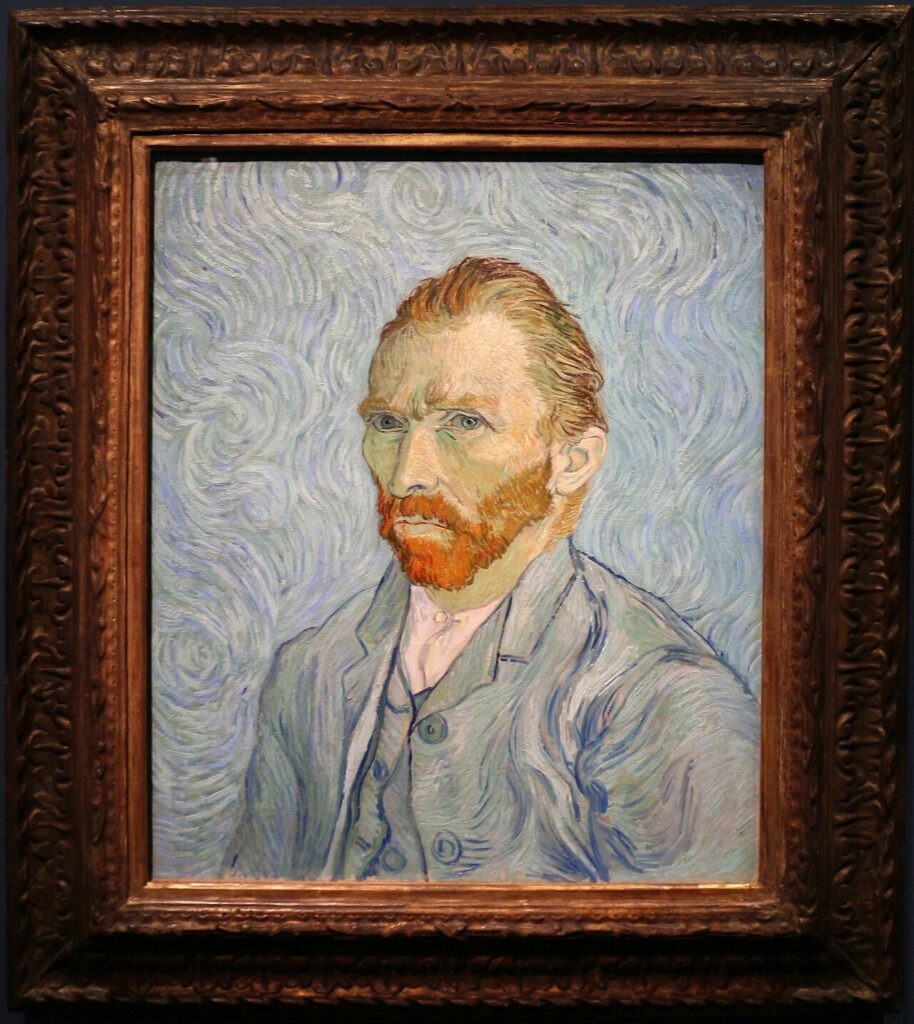
Born in 1865 and having passed away in 1925, Gustave Fayet was an early and passionate defender of modern art. The first part of the exhibition brings together over 250 works from his extraordinary collection, which is today scattered across the world. Fayet distinguished himself by being among the first to collect the works of Vincent Van Gogh and by establishing a veritable “Gauguin museum” containing nearly 200 pieces right in the heart of Paris.
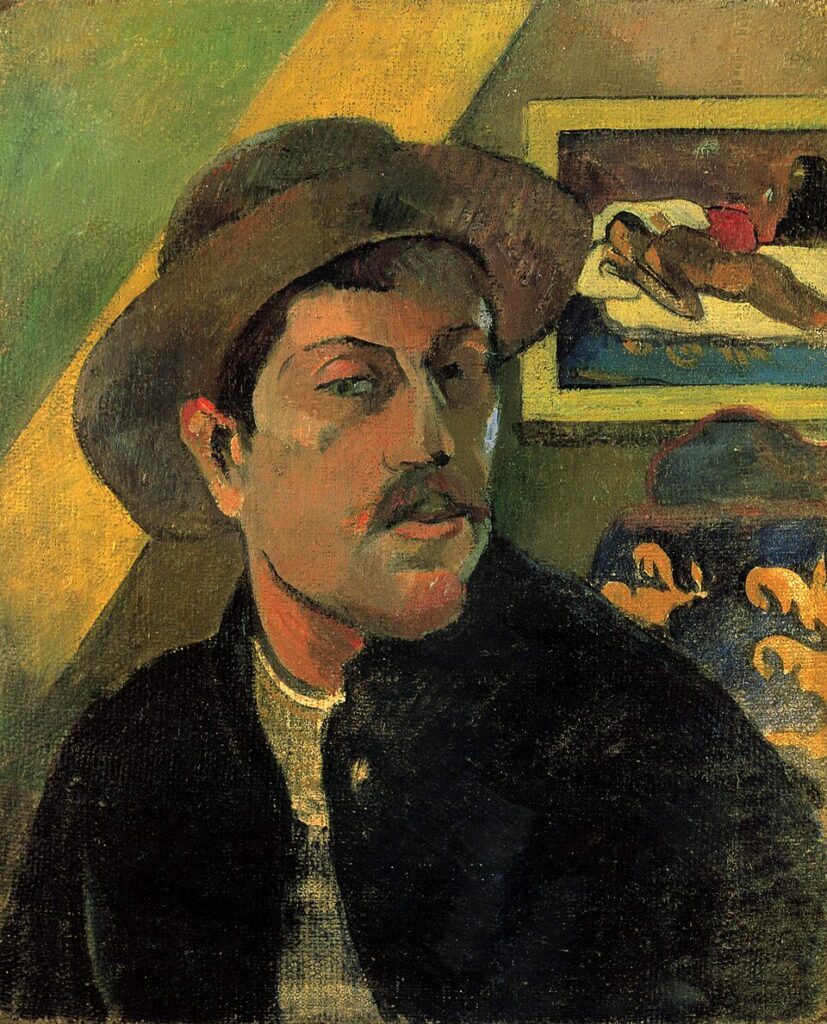
The exhibition route offers the public historical moments, including: the presentation of Vincent Van Gogh’s Self-Portrait with Bandaged Ear and Pipe, a deeply moving work that had not been exhibited in France since 1937 and had not been loaned out since 1990; the unprecedented reunion on French soil of three masterpieces by Paul Gauguin: The Yellow Christ, Portrait of the Artist with the Yellow Christ, and The Breton Calvary; and the unveiling to the general public of the monumental decor commissioned from Odilon Redon for the Cistercian abbey of Fontfroide, composed of the panels Day, Night, and Silence.
The Effervescence of a Versatile Creator
The second part of the exhibition unveils the most intimate and surprising facet of Gustave Fayet: that of a prolific creator and tireless entrepreneur in the field of decorative arts. The top floor of the Fondation brings together 374 of his creations, most of them restored for the occasion and never before shown to the public.
The exhibition traces his artistic evolution through several mediums: ceramics, with the founding of a stoneware workshop in Béziers in 1896 in collaboration with the sculptor Louis Paul, a former figure in Rodin’s studio; watercolor on blotting paper, a technique taken up around 1912, where the artist exploited the randomness of the stain to conjure up floating floral motifs at the borders of abstraction; and textile creation, marked by the founding of the Atelier de la Dauphine in Paris in 1920. There, Fayet designed rugs conceived as veritable paintings, rejecting traditional geometric symmetry in favor of a lush botanical fantasy.
Bringing together a total of 728 works and documents, this large-scale project benefits from a sensitive and immersive scenography designed by artistic director Robert Carsen. The curation is handled by Sylvie Patry for the section dedicated to the collector and by Angeline Scherf for the one devoted to the creator. The exhibition thus rightfully rehabilitates the memory of a man of taste, whose entire life seems to have been dictated by this simple observation articulated by his friend, the writer André Suarès: “He did everything with art.”