How Simon Porte Jacquemus Redefined Modern Luxury

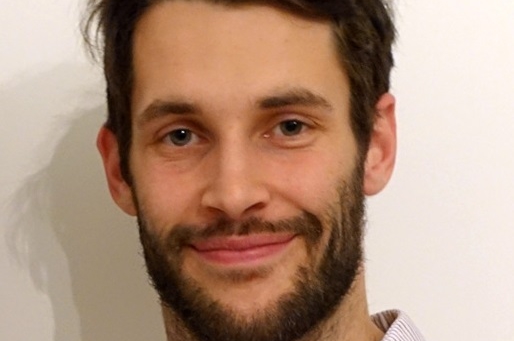
In an industry historically defined by the austere grandiosity of Parisian salons and worldwide luxury groups, Simon Porte Jacquemus stands as a singular force: a self-taught auteur who traded couture formality for southern warmth, digital intimacy, and some sort of conceptual pop-surrealism.
Grief as Creative Catalyst
Raised in Mallemort, a rural village in Provence, Jacquemus grew up in a family of modest farmers. His introduction to fashion was far removed from luxury ateliers. It was rather rooted in the light, colors, and raw authenticity of the French countryside.
At 18, he moved to Paris to enroll at the fashion school ESMOD. But just weeks after his arrival, tragedy struck: his mother, Valérie, died suddenly in a car accident. The profound shock altered his trajectory overnight. Dropping out of school at 19, he launched his fashion house, naming it Jacquemus (his mother’s maiden name) as both a tribute and a imperative to turn grief into creative urgency.
The Self-Made Hustle: From Store Clerk to LVMH Recognition
The early days of Jacquemus were defined by (too?) extreme minimalism. Partly as an aesthetic choice, but primarily out of financial constraint. Lacking the capital for complex trimmings, zips, or buttons, he designed clean, architectural silhouettes in inexpensive fabrics.
To fund his fledgling line, he took a job as a sales assistant at the flagship Comme des Garçons store in Paris. Working by day and designing by night, his relentless work ethic caught the attention of Adrian Joffe, CEO of Comme des Garçons, and founder Rei Kawakubo. Recognizing his singular clarity of vision, Joffe offered both mentorship and retail space at Dover Street Market.
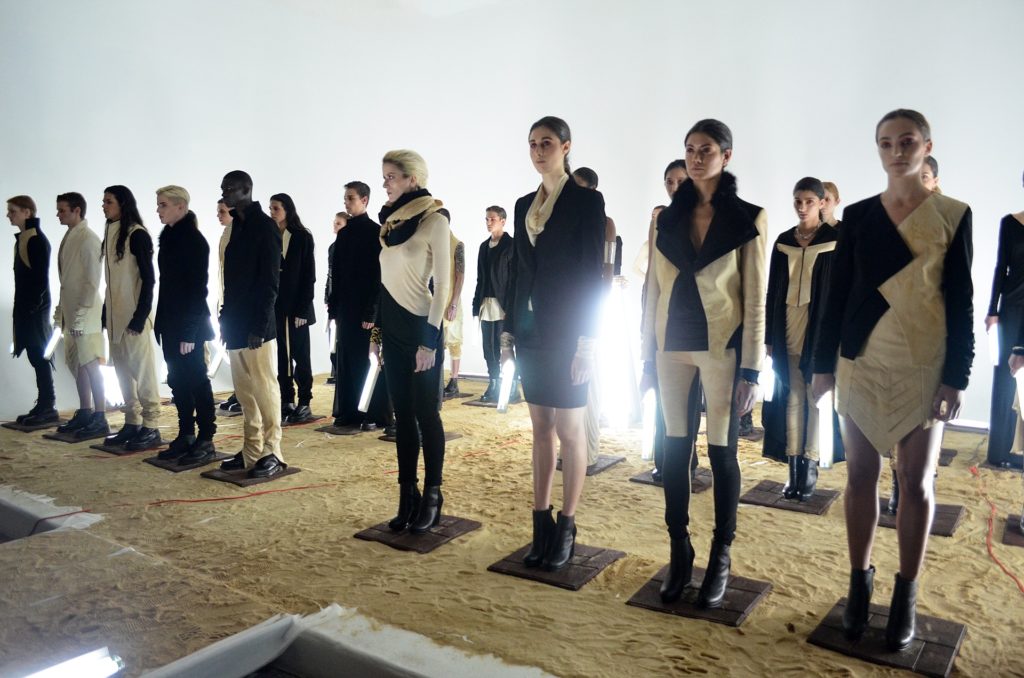
Jacquemus’s breakthrough accelerated through what we could call guerilla marketing tactics, such as crashing a fashion event with a troop of models wearing his collection, and culminated in 2015 when he was awarded the LVMH Special Jury Prize, securing his standing among fashion’s young talent.
Scale, Surrealism, and the Micro-Bag Phenomenon
Jacquemus mastered a delicate balance between high-concept fashion and viral cultural artifacts. He played with extreme proportions, capturing the internet’s imagination with items that functioned as both garments and modern sculpture.
Le Grand Chapeau Valensole was an impossibly wide-brimmed straw hat that defined summer resort wear in 2018. And we also remember Le Chiquito, of course, a micro-handbag measuring just a few centimeters across. Widely questioned by traditional critics initially, it became a commercial phenomenon, driving millions in revenue and sparking an industry-wide trend toward subversion in leather goods.
Independence in the Conglomerate Era
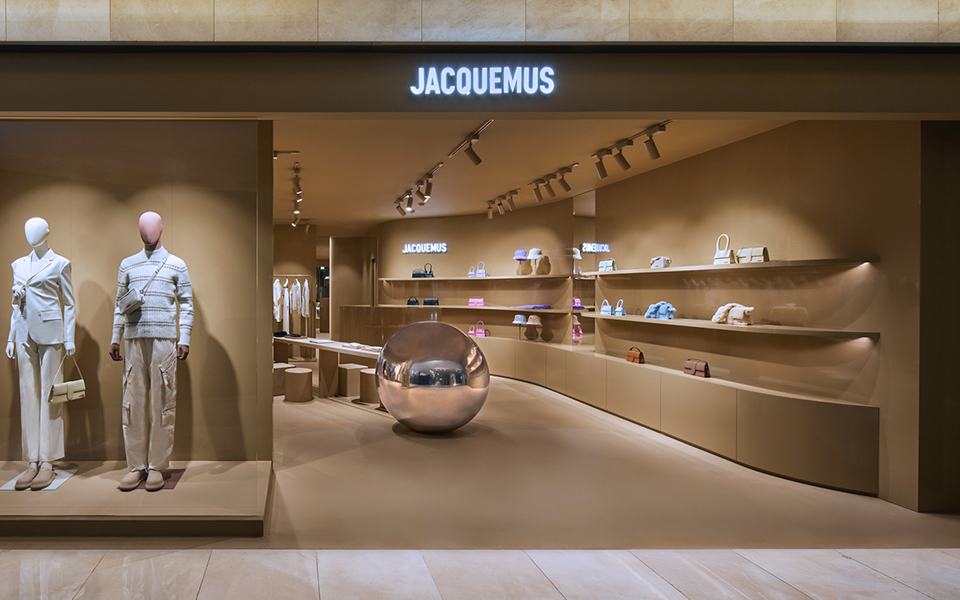
While contemporaries routinely sell controlling stakes to luxury giants such as LVMH or Kering (owner of Gucci and Saint Laurent), Jacquemus remains resolutely independent.
By building a direct-to-consumer narrative grounded in authentic social media storytelling (often blending his personal life, husband Marco Maestri, and family dogs with high fashion), Simon Porte Jacquemus created one of the most culturally resonant and commercially robust independent fashion houses of the modern era.