Summer Is for Thinking

Summer strips away the structure that fills the rest of the year. Fewer meetings, fewer obligations, more empty hours — and in that emptiness, something like real thought becomes possible again. This piece argues that summer’s slowness is not a break from thinking, but the condition that makes it possible.
Most of the year runs on structure. Calendars, deadlines, replies owed by end of day. Thought happens in the gaps between tasks, if it happens at all. Summer removes some of that structure. The days get longer, the obligations get fewer, and for a short time, the mind has room it does not usually have. Sounds familiar, right?
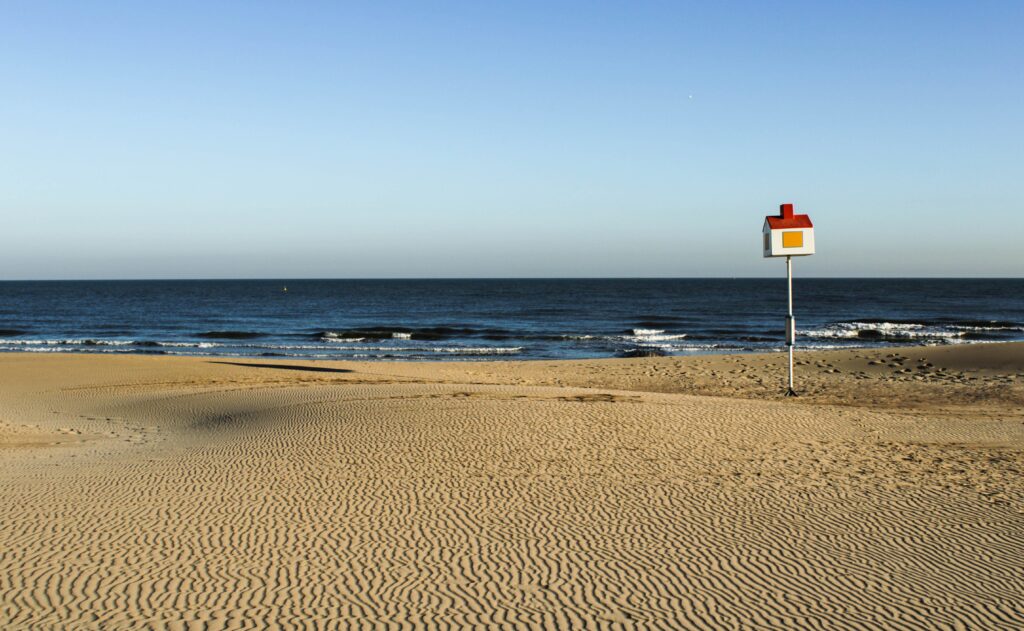
This is not the same as rest. Rest implies recovery from something, a return to a baseline. What summer offers is closer to space — unscheduled time with no clear purpose attached to it. A walk with nowhere to be. An afternoon with no agenda. It is in these unstructured hours that a different kind of thinking tends to surface: slower, less goal-directed, less concerned with producing an outcome.
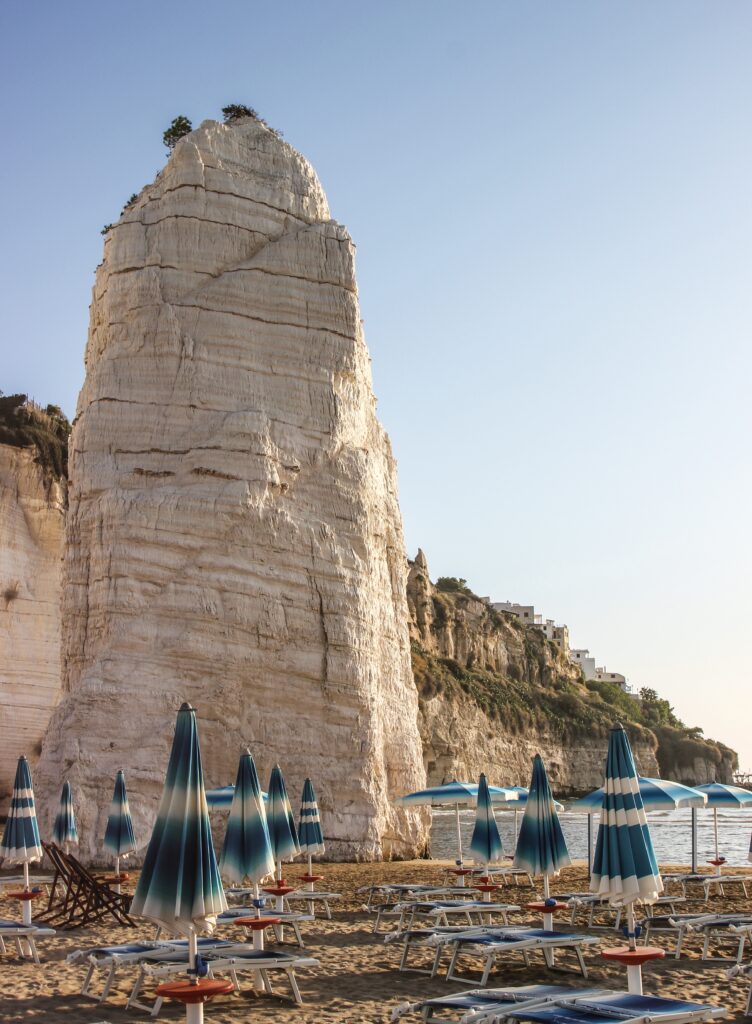
There is a reason so many writers and thinkers have described summer as a season of clarity rather than idleness… Heat slows the body down, and a slower body seems to allow the mind to wander in ways it cannot when everything is optimized for speed. Ideas that get crowded out during the busy months — half-formed questions, things noticed but not examined — have a chance to return.
None of this requires travel, or solitude, or any particular ritual. It only requires the absence of urgency for a few hours at a time. Summer does not manufacture thought. It simply clears enough space for thought to happen on its own, which is rarer than it should be.